Fireflies, Empty Campsites, and Perfect Weather: America's Most Overlooked National Forests
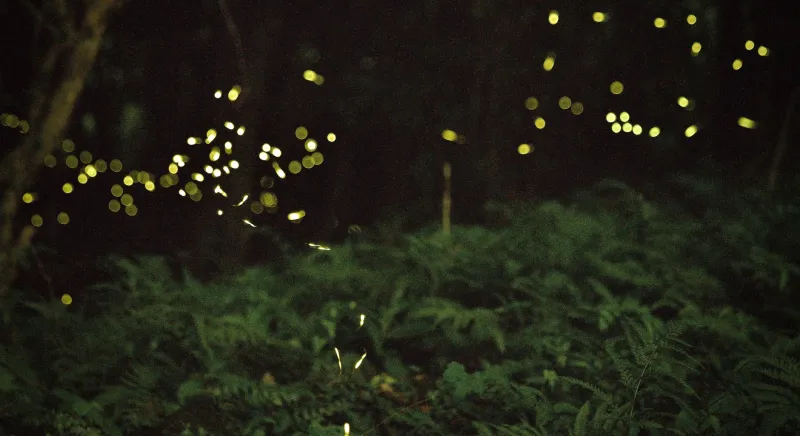
There's a window every year — roughly late May through mid-June in the South, June into early July up north — when the camping calendar goes quiet. School's not quite out everywhere, the summer reservation scrum hasn't fully formed, and yet the weather is arguably better than anything July has to offer. The bugs everyone complains about? In the right forests, they're the main attraction.
We're talking fireflies. Millions of them. And the national forests below don't just have the light show — they have open sites, mild temps, and trailheads where your truck might be the only one in the lot.
Ottawa National Forest, Michigan
Best weeks: Mid-June through early July
The UP doesn't do crowds, period, but the Ottawa gets especially empty before the July vacation wave hits Lake Superior's south shore. Black bear, wolves, and over 500 lakes mean you're never short on wildlife, and the Sylvania Wilderness — a old-growth gem with 18 walk-in lakes — requires nothing more than a free self-issued permit at the trailhead.
Daytime highs sit in the low 70s. Nights drop into the 40s, so pack a real sleeping bag. Fireflies flash along the bog edges after dark, and if you time it right, you'll catch the tail end of spring wildflowers overlapping with the first warm-water swims of the year.
Ouachita National Forest, Arkansas
Best weeks: Late April through May
The Ouachitas are the country's mid-South secret — the only east-west running mountain range in the lower 48, all long ridgelines and hot springs. May is when it peaks: highs in the upper 70s, everything green, and the firefly season rolling up the hollows in waves.
Dispersed camping is legal throughout most of the forest, which means the 200-plus miles of the Ouachita Trail come with some of the most flexible overnight options in the country. Base yourself near Mena or Mount Ida and day-hike the Flatside Wilderness for views that would be permit-lottery territory in a western range.
Shawnee National Forest, Illinois
Best weeks: Late April through mid-May
Southern Illinois doesn't get nearly enough credit. The Garden of the Gods Recreation Area puts sandstone bluffs over the Shawnee Hills, and the famous wilderness areas — Garden of the Gods, Lusk Creek, Bald Knob — are free to camp in with no reservation, no fee, no drama.
The firefly display here is arguably the best on this list. Warm, humid May nights in the hardwood bottomlands produce synchronized flashes in places, and the state's own firefly tourism push has mostly bypassed the national forest side of things. Go now before somebody writes a viral article about it.
Pisgah National Forest, North Carolina
Best weeks: Mid-May through early June
Pisgah in June is what Blue Ridge Parkway traffic imagines it's escaping to. The waterfalls are roaring off spring rain, the rhododendron hasn't quite popped (that's late June), and the campgrounds near Brevard — Davidson River especially — are bookable on a week's notice.
The firefly angle here is real: the synchronous displays at Cataloochee and Joyce Kilmer get all the press, but Pisgah's cove hardwoods light up almost every warm May night. Bring a headlamp with a red mode and leave the white light off.
Chequamegon-Nicolet National Forest, Wisconsin
Best weeks: Early through mid-June
Wisconsin's northwoods are the sleeper pick. The Chequamegon side has the Penokee Range and the North Country Trail threading through it; the Nicolet side has theHeadwaters Wilderness and more loons than people. Campground reservations are a suggestion, not a requirement, and dispersed camping follows standard national forest rules.
June nights are cool but not cold, the mosquito hatch is tapering, and the firefly activity in the sedge meadows is genuinely spectacular. If you've never heard a loon at midnight across a still lake, this is the place to fix that.
Angelina National Forest, Texas
Best weeks: Late April through mid-May
East Texas pineywoods — flat, humid, and gloriously underrated. Angelina sits on the Sam Rayburn Reservoir, and the Four C National Recreation Trail gives you 20 miles of mixed pine-hardwood hiking through the B.A. Steinhagen Lake area.
May nights here are warm enough that you can camp in a hammock and a light quilt, and the firefly density in the bottomland hardwoods is off the charts. Dispersed camping is allowed along most forest roads — just respect the 300-foot water buffer and pack out what you pack in.
Monongahela National Forest, West Virginia
Best weeks: Late May through mid-June
The Mon closes this list because it's the high-country option: spruce forests, cranberry bogs, and ridgelines above 4,000 feet that feel more like New England than Appalachia. The Dolly Sods Wilderness is the headliner, and while it's no longer a secret, a Tuesday in early June is a very different experience than a Saturday in October.
Fires are restricted in parts of Dolly Sods, so check current rules before you go. The payoff is heath barrens, wind-carved rocks, and fireflies drifting over the sods on still June evenings — a sight that doesn't exist anywhere else on this list.
The Shoulder-Season Playbook
A few things to know before you chase the glow:
- Fireflies need dark and damp. Look for bottomlands, creek corridors, and meadow edges. The show starts 20–30 minutes after full dark and runs a couple hours.
- Red light only. White headlamps shut down the display for everyone. Red mode preserves your night vision and theirs.
- Shoulder season means shoulder-season services. Some campgrounds run limited water or vault toilets only. Check the district office page before you roll out.
- Dispersed camping rules are simple but real. 100 feet from water, 150 feet from roads in most forests, 14-day limits. Leave it cleaner than you found it.
The point of all this isn't just avoiding the crowds. It's that the best camping weather in most of the country happens when almost nobody's out there. Fireflies are just the excuse. The empty trailhead is the real reward.