Friday at 5, Trail by 7: The Art of the Micro-Adventure
Somewhere along the way, camping got a reputation problem. Somewhere along the way, we all decided that a real trip requires a week off, a roof-top tent, and a 600-mile drive to somewhere with a name that sounds like a national park.
That's nonsense. And it's costing you seasons you'll never get back.
The truth is that 48 hours — one Friday evening and one Saturday — is enough to reset your brain if you run it right. The trick isn't finding more time. It's removing every bit of friction between your parking spot at 5 p.m. and your campsite by 7.
Pack Once, Camp All Year
The single biggest reason people skip quick trips is packing. It takes forever when you do it from scratch, so stop doing it from scratch.
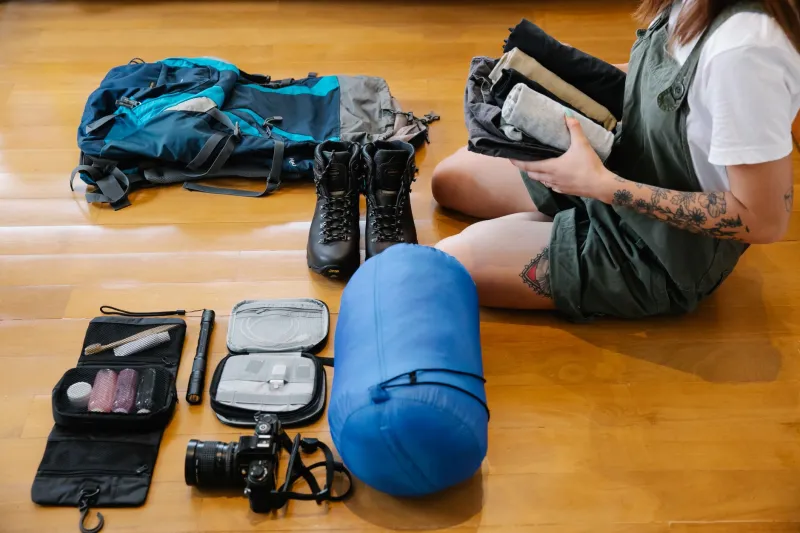
Build a dedicated camp kit that lives in a bin or duffel and never comes fully inside. Sleep system, cook setup, headlamp, first aid, water jugs, stove, fuel — all of it stays packed. When the work week ends, you're not assembling gear; you're grabbing a bag.
A few rules that make the system stick:
- Duplicate the small stuff. Cheap extra toothbrush, sunscreen, and lighter that live in the kit permanently. Nobody wants to hunt for a can opener at 6:30 on a Friday.
- Recharge and restock Sunday night. Batteries, propane, food — reset the bin while the trip is fresh.
- Keep the cooler in the rotation. A dedicated camp cooler beats emptying the kitchen one every time.
The first trip takes an hour to pack. By the third, you'll be road-ready in fifteen minutes.
Scout Close, Sleep Better
Here's the part nobody wants to hear: your best campsite is probably under two hours from your driveway. Every hour of driving is an hour you're not outside, and micro-trips live or die on that math.
Spend one lunch break a month on this. Open the maps, look for national forest land, state parks, or BLM ground within that radius, and bookmark five or six options. Check cell coverage if you need to work Saturday morning (we won't judge), check fire restrictions, and note which ones take drive-up sites versus reservations.
Variety matters too. Keep a mix on your list: a quiet state park with showers for the luxurious trips, a dispersed forest road for the dirt-bag ones, maybe a lake spot for the paddle-and-grill version. When Friday arrives, you pick based on mood and weather instead of scrolling in a panic at 4:45.
Food That Forgives You
Cooking a three-course meal after a full workday is a great way to arrive at camp tired and hangry. Don't do it.
The move is to prep before you leave — Friday morning, or Thursday night. Marinate chicken in a zip bag, chop vegetables into a container, pre-measure coffee into a filter. At camp, dinner is fire plus heat, not a production.
Some reliable two-night formulas:
- Friday: foil-packet sausage and potatoes, or pre-assembled burritos browned on the skillet. Ten minutes, zero stress.
- Saturday breakfast: pancakes from a just-add-water mix, or eggs if you've got a solid cooler.
- Saturday dinner: the one real cook of the trip — cast iron chili, campfire nachos, something that feels earned.
And pack the s'mores regardless of the plan. Some traditions aren't negotiable.
The Shape of a Good 48
Here's how the weekend actually plays out when it works:
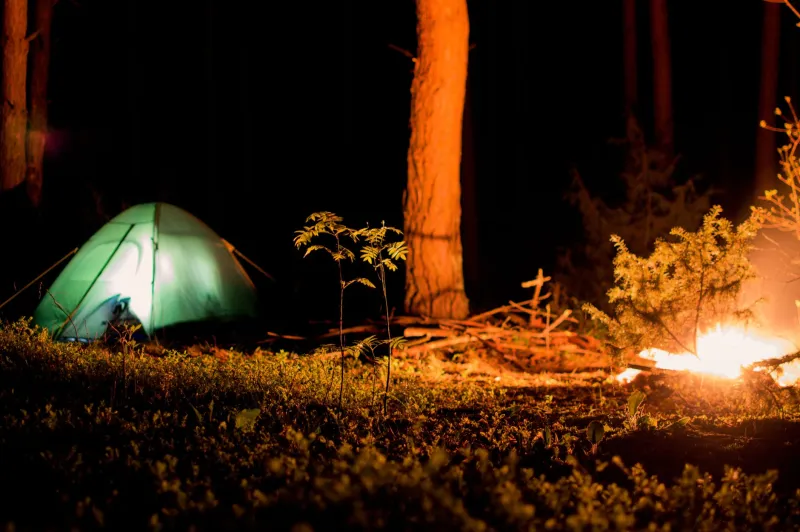
Friday: Leave work, drive, set up camp while you've still got light. Eat simple. Sit by the fire. Be asleep by ten, because tomorrow is the day that counts.
Saturday: This is your full day, so spend it on one real thing — a summit, a lake loop, a long swim, a ridge walk. Not a checklist. One anchor activity, then let the afternoon go soft: hammock, book, a second pot of coffee.
Sunday morning: Slow breakfast, break camp without a deadline, and if you're smart, a short walk or overlook stop on the drive home. You'll roll back into town by early afternoon with laundry time to spare.
That's the whole formula. No rush required, and no vacation days sacrificed.
Why This Beats Waiting for the Big Trip
The big trips will come — and they'll be better, because your gear is dialed and your systems are automatic. But the micro-trips are what keep you sane in between. Twelve of these a year is twelve more weekends outside than most people ever get.
Life won't hand you a week. It doesn't have to. Two evenings and one good day is plenty.