Ghost Season: When Yellowstone, Zion, and Acadia Belong to You Alone
Somewhere between the summer crush and the holiday freeze, there's a stretch of weeks when the most famous landscapes in America go almost completely quiet. The shuttle lines vanish. The trailhead lots have single-digit occupancy. Old Faithful erupts to an audience you could fit in a minivan.
Park people call it the shoulder season. We call it ghost season — the weeks when Yellowstone, Zion, and Acadia feel less like attractions and more like they're yours.
Why the Shoulder Season Wins
The math is simple. Visit Zion in July and you're sharing Angels Landing with thousands of people and 95-degree heat. Visit in late November and you'll have crisp air, empty switchbacks, and cottonwoods turned gold along the Virgin River. Same trail. Completely different experience.
Beyond the solitude, the practical perks pile up: cheaper lodging in gateway towns, first-come-first-served campsites that actually have openings, and wildlife that's more active in cool weather. Elk rut in the fall. Wolves and bison are easier to spot against snow.
Yellowstone: Late September into October
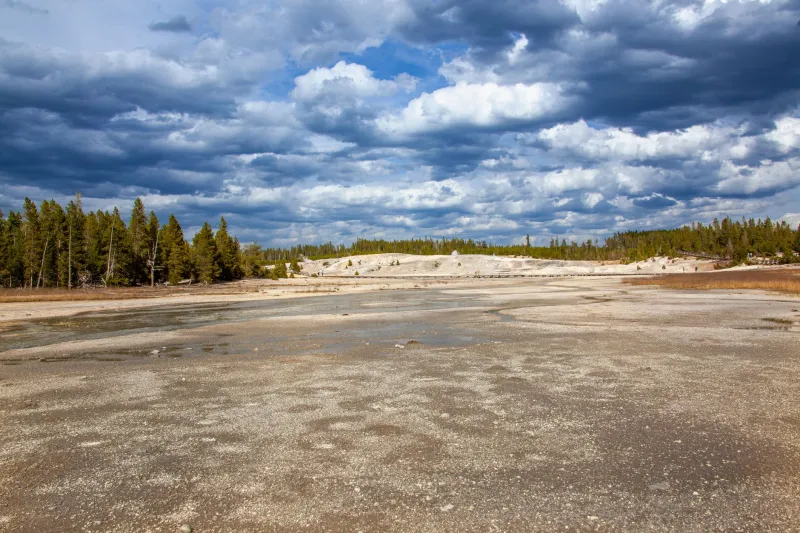
Once the crowds thin after Labor Day, Yellowstone transforms. By mid-October, most park roads begin closing to regular vehicles — but the window from late September through mid-October is magic. Steam rises thicker in cold morning air, making the geyser basins look like the surface of another planet. Elk bugling echoes through the Lamar Valley at dawn.
Know before you go: Nighttime temps regularly drop into the 20s. Some visitor services close early, so check the NPS road status page before driving in. Fill your tank in West Yellowstone or Cody — services inside the park thin out fast.
Zion: November and March
Zion's shoulder season is a two-part show. November brings cool hiking weather and fall color in the canyon; early March offers the same quiet before spring break floods the park. The shuttle typically stops running in late fall and winter, which means you can drive your own vehicle up the canyon — a freedom summer visitors can only dream about.
The trade-off: The Narrows requires cold-weather preparation, with water temps in the 40s. Dry suits or thick wetsuit gear is non-negotiable if you're hiking it. Watch for ice on shaded sections of trail, especially near Weeping Rock.
Acadia: October into Early Spring
Acadia after Columbus Day is a different park. The summer tour buses are gone, Bar Harbor slows to a pleasant murmur, and Cadillac Hill's auto road stays open until the first major snow. October brings spectacular foliage; by March, you can walk carriage roads dusted in white with the Atlantic crashing below.
Conditions to plan for: Coastal wind is the real hazard, not temperature. Pack a windproof shell, and know that some island roads and facilities close seasonally. The Park Loop Road partially closes from December through April, but the Schoodic Peninsula section stays accessible year-round and sees a fraction of the traffic.
Gear Up for the Cold
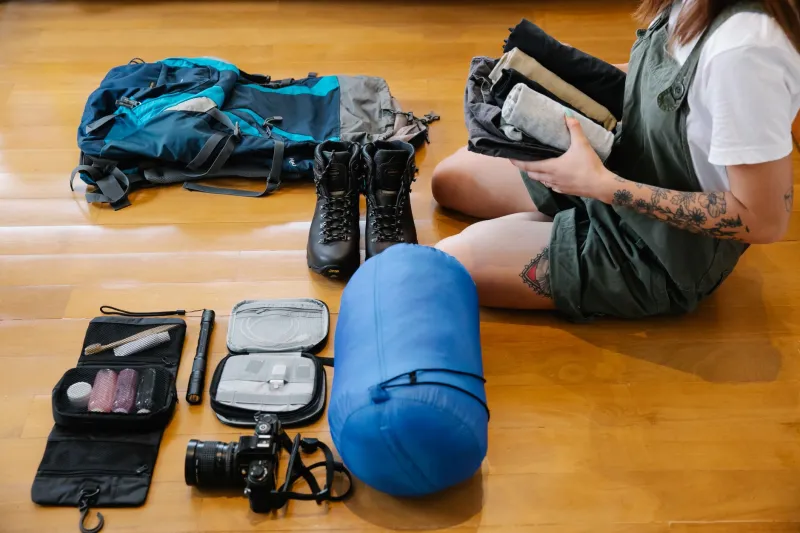
Shoulder-season trips demand a different kit than July camping:
- Sleep system rated 10-15 degrees below forecast lows. Ground cold is relentless in late fall.
- Insulated sleeping pad. An R-value of 4+ makes the difference between sleeping and shivering.
- A real puffy and a windproof shell. Mornings are brutal; afternoons can be t-shirt weather.
- Extra fuel. Canister stoves sputter in freezing temps — bring a liquid-fuel stove or keep canisters warm inside your jacket.
- Headlamp with fresh batteries. Daylight dies by 4:30 p.m. in November.
- Traction devices. Microspikes weigh ounces and turn icy trails from sketchy to casual.
The Road Trip Angle
Shoulder season is tailor-made for overlanders. Campgrounds that require reservations six months out in July often run first-come, first-served or stay open entirely unstaffed into the off-season. Dispersed camping on surrounding national forest land is easier to find and legal in more places once the summer rangers thin out.
Build slack into your route. Mountain passes in Colorado, Wyoming, and Montana can get early snow in October, and a storm can close roads for a day or two. That's not a bug — it's an excuse to spend an unplanned day in a small town with good diner coffee.
Worth the Chill
Here's the honest trade: you might wake up to a frost-covered tent. You might eat dinner at 5 p.m. because the sun's already gone. You will almost certainly have a moment — standing alone at a famous overlook, steam rising off a geyser basin, surf booming under a granite cliff — that summer visitors wait in line for hours and never quite get.
That's the deal ghost season offers. Take it.