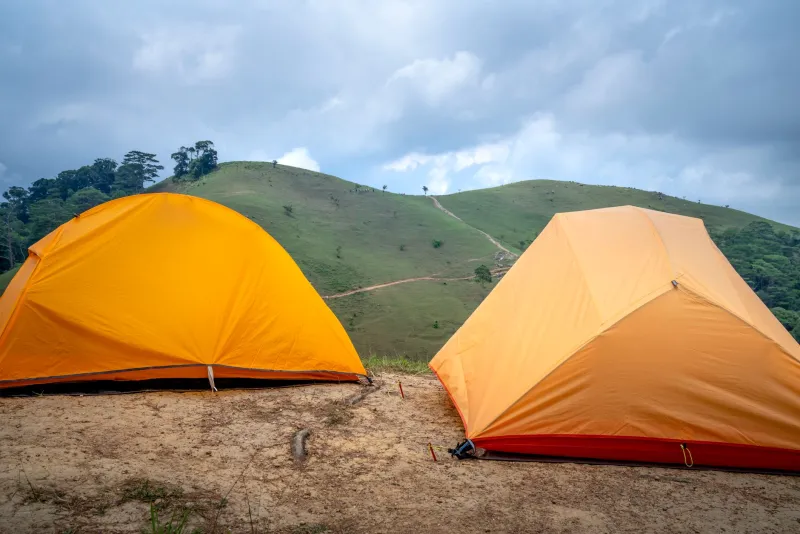
Forget the RV Payment: Why Your Truck Bed Might Be the Best Basecamp You Already Own
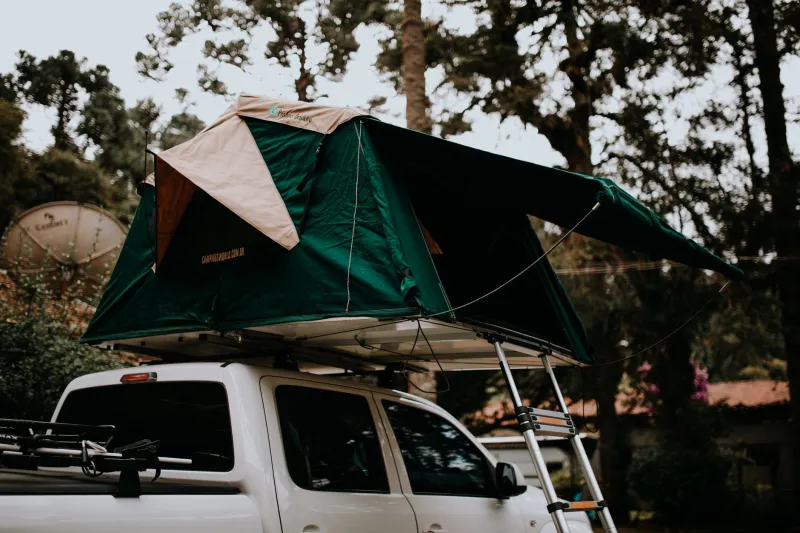
Here's an opinion we'll stand behind: the best camper in America doesn't cost $80,000, doesn't need a tow package, and doesn't spend 11 months a year leaking slowly in a storage lot.
It's already sitting in your driveway with a bed full of mulch bags.
The Truck Tent Revolution Is Real
Scroll any camping forum or TikTok tag long enough and you'll notice a pattern: pickups with canvas tents strapped over the bed, parked on forest service roads, tailgates down, camp stoves hissing. Truck bed camping has exploded among American road trippers, and the reasons are pretty simple.
First, money. A quality truck tent runs $150–$350. Compare that to a new RV at RV-dealership prices, or even two nights at a Hampton Inn outside a national park. The math isn't close.
Second, spontaneity. This is the big one. When your bedroom is your truck bed, you don't plan trips — you just drive. See a forest road in the Ocoee River country of Tennessee? Turn. Find a Dispersed Camping sign in the Bridger-Teton? Pull in. The trip becomes a choose-your-own-adventure novel instead of a spreadsheet of prepaid reservations.
Third, comfort without commitment. You're off the ground, out of the rain, and away from mud — without owning a vehicle dedicated entirely to vacationing twice a year.
Picking Your Setup
Not all truck tents are created equal. A few styles dominate the backroads:
- Classic bed tents (think Sportz or Napier): strap over the bedrails, sleep two adults comfortably, set up in 15 minutes. The gateway drug.
- Rooftop-style bed racks with a rooftop tent: pricier, but you're up in two minutes and your gear stays loaded underneath.
- Bed cap or shell + mattress platform: the minimalist overlander's choice. A used canopy, a memory foam topper cut to fit, and you've got a stealthy, weatherproof rig.
- DIY drawer-and-canvas builds: for the wrenchers. Full customization, half the cost.
Whatever you choose, invest in a good sleeping pad or mattress — the corrugated bed floor is no joke. And a set of window covers for privacy in trailhead parking lots pays for itself on night one.
Where to Point the Hood
The beauty of truck camping is that the destination matters less than the road. But if you want a shortlist of all-timers:
- The White Rim Road, Utah — 70+ miles of canyon country (permits required, worth it)
- Blue Ridge Parkway, Virginia/North Carolina — spur roads into Pisgah and Nantahala national forests offer free overnights minutes from overlooks
- The Okanogan Highlands, Washington — empty forest roads, big star skies
- Highway 12 through the Ozarks, Arkansas — float rivers by day, forest camp by night
- The high roads of the Colorado Rockies — roll past treeline, sleep at 10,000 feet
The Fine Print (Read It Once)
Truck camping still follows the rules of the land. National forests and BLM land generally allow dispersed camping up to 14 days. Established campgrounds with "tent only" sites can be a good fit for bed tents. And never, ever camp on private land without permission — apps like The Dyrt or FreeRoam help you find legal spots fast.
Pack out your trash, respect fire restrictions, and don't park blocking gates or roads. The future of spontaneous camping depends on not being that guy.
The Case, Restated
RVs are great — for people who love RVs. Hotels are great — for people who love hotels. But if you already own a pickup, you own a basecamp. The bed tent crowd figured out something the RV industry would rather you didn't: the best part of American backroads isn't the amenities. It's the freedom to wake up somewhere new, for free, whenever the road calls.
Throw the tent in the bed. Fill the tank. Go find out.