One Car, One River, Zero Panic: Cracking the Point-to-Point Paddle Shuttle
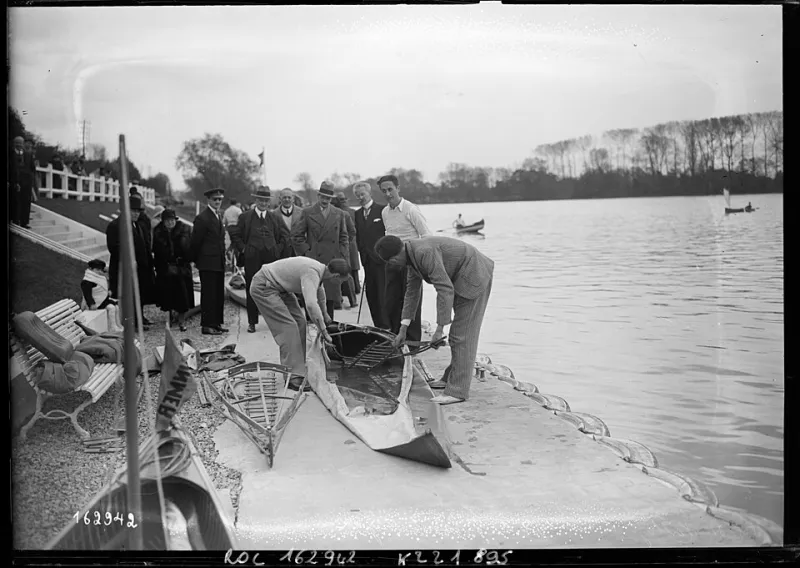
Photo: Agence Rol. Agence photographique (commanditaire), Public domain, via Wikimedia Commons
Every paddler eventually runs into the same wall. You've scouted a gorgeous three-day stretch of river — maybe the Willamette in Oregon, a chunk of the Buffalo in Arkansas, or a coastal run along Florida's Big Bend — and the route is perfect except for one thing: your vehicle needs to be at the end, and you're starting at the beginning.
This is the shuttle problem, and it's the least photogenic part of paddle camping. Nobody posts pictures of the 90-minute drive back to the put-in. But solve it once, and an entire category of one-way trips opens up. Here's how to actually make it work.
Pay a Pro: Shuttle Services Are Cheaper Than You Think
Most iconic paddling corridors in the US have local shuttle operators who do this every single day. The Buffalo River, the Current River in Missouri, the Rio Chama in New Mexico — all of them have outfitters who will drive your rig from put-in to takeout while you're on the water.
Expect to pay somewhere between $50 and $150 depending on distance, and honestly, it's the best money you'll spend on the trip. A few things to nail down before you hand over keys:
- Confirm they're insured to drive your vehicle. Reputable operators carry commercial coverage, but ask. Some prefer you leave keys with a locked box arrangement instead.
- Book early in peak season. On popular rivers in July, shuttle slots fill up weeks out.
- Leave a spare key and a fuel card situation. Most operators expect to return the vehicle with fuel they bought. Sort out reimbursement in advance.
- Agree on a trigger time. If you don't show up at the takeout by a set hour, they call for help. This is your safety net — don't skip it.
The Two-Car Dance, Minus the Second Car
The classic DIY method is dropping a vehicle at the takeout, then driving both cars back to the put-in. If you're paddling with a crew, you can fake this with one vehicle and a little creativity.
The rideshare hack: In more populated corridors — sections of the Delaware, the Hudson, lakes near metro areas — an Uber or Lyft from takeout back to your car is genuinely viable. Check coverage before you commit. A dead zone at the takeout turns this plan into a very long walk.
The bike cache: This one's for the self-sufficient crowd. Stage a cheap beater bike (or e-bike if the distance demands it) at the takeout on a preliminary drive, lock it to something permanent, then drive to the put-in and start paddling. At trip's end, you pedal or ride back to your vehicle. Some paddlers stash a folding bike in a dry bag. It's not elegant, but it costs nothing per trip after the initial bike investment, and it works on remote rivers where no shuttle exists.
Just follow local rules — locking a bike to a trailhead signpost at a busy ramp is usually fine; abandoning one in the middle of nowhere can run afoul of local ordinances. Choose high-visibility spots.
Paddle Loops: The Zero-Shuttle Option
Before you plan a one-way trip, ask whether a loop exists. Tons of classic paddling destinations are circuits:
- Everglades' Hell's Bay and Nine Mile Pond loops in Florida
- The Saranac Lake chain in the Adirondacks, connectable into multi-day loops
- Boundary Waters entry-point loops in Minnesota, where you can route back to your original lake
- Coastal barrier island loops on Georgia and Carolina coastlines, timed around tides
A loop trades some novelty for total logistics freedom. Your car never moves. Your shuttle budget goes toward better freeze-dried meals. For a first multi-day paddle trip, this is the move — you can bail early without stranding a vehicle.
Tools That Do the Homework for You
A handful of planning resources take the guesswork out:
- Paddling.com and American Whitewater for river beta, access points, and flow data
- State water trail maps — Minnesota, Wisconsin, Florida, and Michigan all publish excellent ones with put-in coordinates
- OnX or Gaia GPS offline downloads for marking access ramps before you lose signal
- River flow apps (USGS gauges) checked the morning of launch, not the week before
Screenshot everything. Cell service dies exactly when you need it most.
A Realistic Sample Plan
Say you're running 35 miles of river solo over three days. Here's the play: call the local outfitter two weeks out and book the shuttle for a midday takeout pickup. Text a friend your float plan with the trigger time. Stage your dry bags the night before so launch morning is just coffee and driving. Leave a spare key in the agreed spot. Paddle. Eat. Sleep under the stars. Take out, keys are in the ignition, drive home.
That's it. The shuttle problem isn't hard — it just requires doing the boring work before the fun starts. Handle it, and the whole river network of America becomes your campsite network.
Gear up. Get out. And this time, don't let parking logistics be the reason you stay home.