Read the Ridge: What Rangers Actually Know About Sharing Bear Country
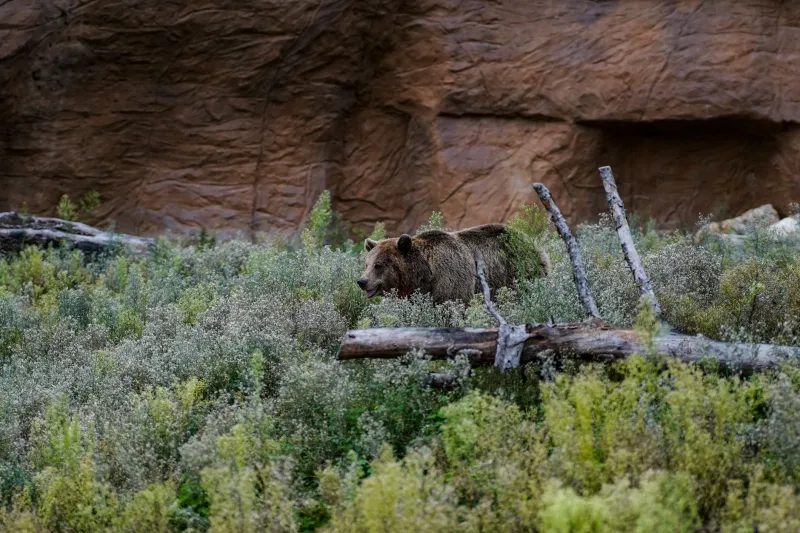
Every summer, the same scene plays out at trailheads from Glacier to the Adirondacks: a family standing in front of the bear information board, reading about canister requirements and recent activity reports, quietly deciding whether they should just go home. It doesn't have to be that way.
The truth is that bears are predictable in ways most campers never learn. If you understand what they want—calories, mostly—and how they find it, you can camp in grizzly country for decades without a heart-pounding moment. We spoke with backcountry rangers in the Greater Yellowstone Ecosystem and Alaska's Kenai to separate the folklore from the field-tested stuff.
Know Your Bear Before You Pack
Black bears and grizzlies require different mental math. Blacks are the acrobats of the bear world—they can climb, they're curious, and they've learned that a ripstop cooler bag is basically a pinata. Grizzlies can't climb worth a darn, but they're bigger, more defensive, and far more likely to stand their ground over a carcass or a surprise encounter on a blind corner.
Region matters too. In the Sierra Nevada, bear canisters aren't optional—Yosemite and Sequoia-Kings Canyon require approved hard-sided canisters for overnight backcountry trips, and the rangers there have seen every DIY counterbalance hack in existence. In the Northern Rockies and parts of Alaska, the question is less about canisters and more about distance: how far from your tent is your kitchen, and can a 600-pound animal smell the difference?
The Storage Debate: Hangs, Canisters, and Bear Boxes
The old counterbalance hang—food bag slung over a branch twelve feet up and six feet out—still works in some Eastern hardwood forests with tall limbs and black bears only. But rangers in Alaska will tell you flatly: a determined black bear in the Tongass treats a lazy hang as an appetizer tray.
Here's the practical breakdown:
-
Hard-sided canisters (Garcia, BearVault, BV500): Mandatory in most Sierra wilderness areas and increasingly required elsewhere. Heavy but foolproof. Check the current approved list—bears in some areas have learned to roll BearVaults off cliffs, so manufacturers keep updating.
-
Ursack-style soft canisters: Allowed in many but not all jurisdictions. Tie them to something that cannot be pulled out of the ground.
-
Bear boxes and lockers: Common at drive-in campgrounds in bear country. Use them. Every year someone leaves a cooler in the trunk of a sedan, and every year a bear peels that trunk open like a banana.
-
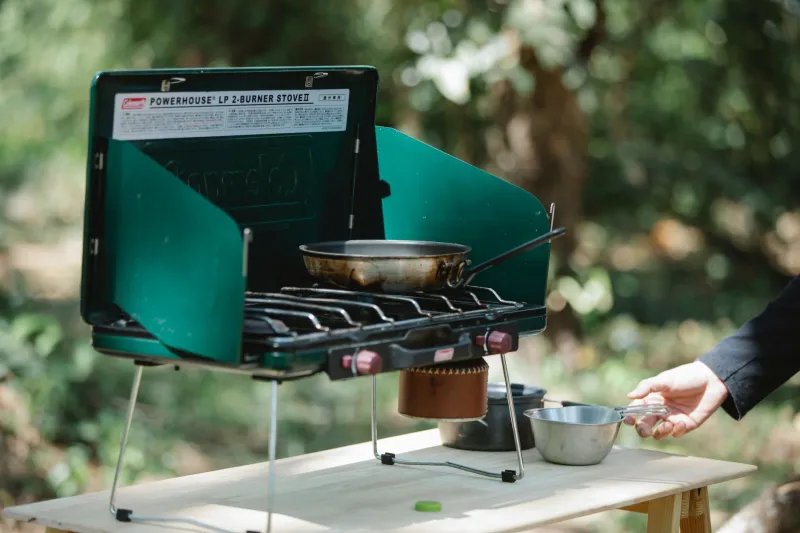
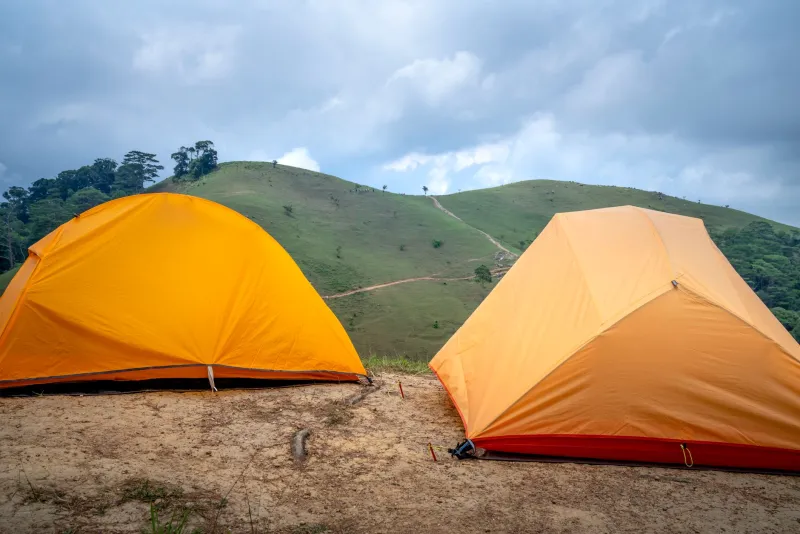
The Aversive Triangle: In grizzly country, camp 100+ yards downwind of where you cook and store food. Cook dinner, then walk away from the smell to sleep. It sounds fussy until you realize it's the single highest-leverage habit in bear country.
Bear Spray: The Myth-Busting Section
Let's clear the air on a few things rangers wish everyone knew.
Myth: Bear spray is a repellent like bug spray. It's not. It's a close-range deterrent you deploy when a bear is charging or making contact imminent. Spray at 25-30 feet, aim slightly downward, and create a cloud the bear runs through—not a thin stream you paint on its nose.
Myth: Noise-making is annoying and unnecessary. Wrong. Talking, singing, or clapping on blind corners and in thick brush is the cheapest encounter-prevention tool ever invented. Most grizzly incidents startle-based. A bear that hears you coming almost always leaves.
Myth: If you see cubs, you're fine as long as mom doesn't see you. Dangerous thinking. If you spot cubs, you assume the sow is nearby and you back out the way you came. Never position yourself between cubs and the direction their mother likely is. Give them a wide, wide berth and leave.
Myth: Running works. You cannot outrun a bear. Nobody can. Stand your ground, make yourself big, and use your voice.
What Actually Prevents Encounters
Rangers consistently point to the same boring habits: make noise on the trail, keep a clean camp, store food correctly every single night, and cook away from where you sleep. Add one more—hike in groups when you can. Groups of three or more have a dramatically lower incident rate in grizzly country, partly because they make more noise and partly because bears simply avoid them.
The Payoff
Here's the thing about doing all this right: it opens doors. Once you're confident in bear country, entire landscapes unlock—the Bob Marshall Wilderness, the Wind Rivers, Denali's backcountry units, the North Cascades. The bears were never the reason not to go. They were the reason to learn a few habits and go anyway.
Pack the canister. Make some noise. Sleep downwind of your dinner. That's it. That's the whole secret.