January Is the New July: How to Camp in Winter Without Freezing Your Tail Off
Somewhere along the way, Americans got it into their heads that camping is a summer activity. The campgrounds empty out in September, the gear goes in the garage, and the whole country seems to agree that outside time is over until Memorial Day.
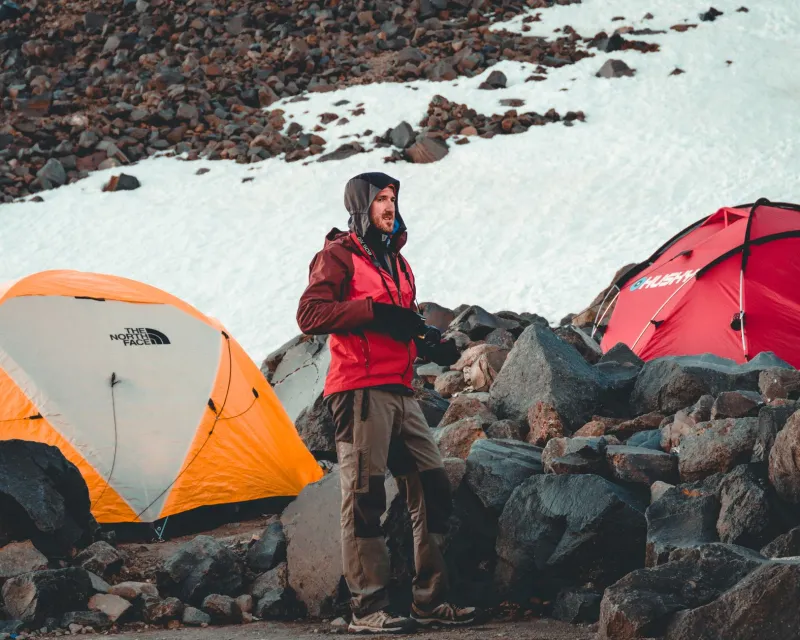
Meanwhile, the folks who actually know what they're doing are out enjoying empty trails, half-price campsite fees, and sunsets that hit different in cold, clean air. Winter camping — especially below the snowline, where you don't need a sled and a PhD in layering — is the most underrated move in American outdoorsmanship.
Here's how to do it without becoming a cautionary tale.
Upgrade Your Sleep System First, Everything Else Second
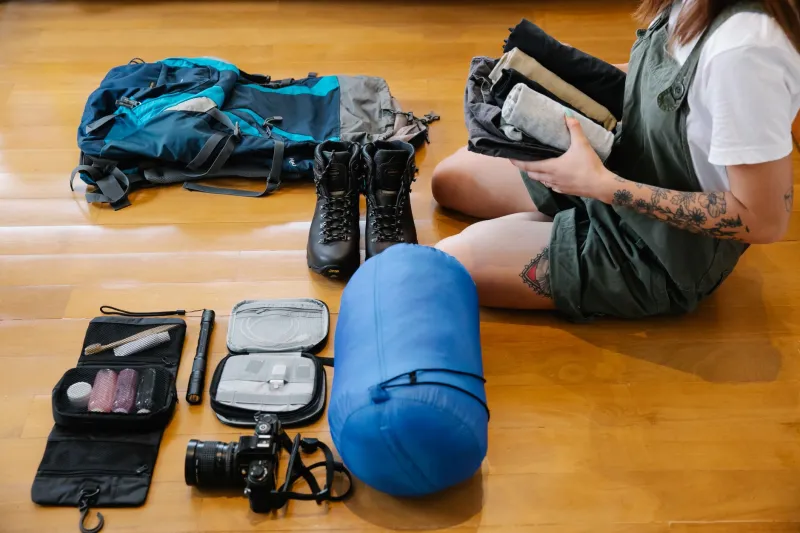
If you spend money on one thing, spend it on sleep. Cold nights wreck people faster than cold days, and the difference between a 20-degree bag and a 40-degree bag is the difference between a great story and a miserable retreat at 2 a.m.
A few rules of thumb:
- Rate your bag for at least 10 degrees colder than the forecast. Bag ratings are survival estimates, not comfort promises.
- Get off the ground. The earth will suck heat out of you all night. A closed-cell foam pad under your inflatable pad is the cheapest warmth upgrade that exists.
- Warm up before you get in. Do jumping jacks, chug a hot drink, throw a hand warmer in the footbox. A sleeping bag doesn't generate heat — you do.
Also, skip the cotton. Everything. Cotton base layers, cotton socks, that flannel you love — all of it holds moisture and turns into a heat sink. Synthetic or wool, head to toe.
Layer Like You Mean It
Winter dressing isn't about one big jacket. It's about a system: a moisture-wicking base, an insulating mid (fleece or puffy), and a shell that blocks wind and precip. The whole point is that you can shed and add pieces as your output changes.
The rookie mistake isn't dressing too light — it's dressing so warm on the move that you sweat, then freezing when you stop. Sweat is the enemy. If you're toasty while hiking, you're overdressed.
Bring a dedicated dry set for camp and never, ever sleep in the clothes you hiked in. Damp fabric at 30 degrees is how trips end early.
Stoves and Food: Cold Changes the Math
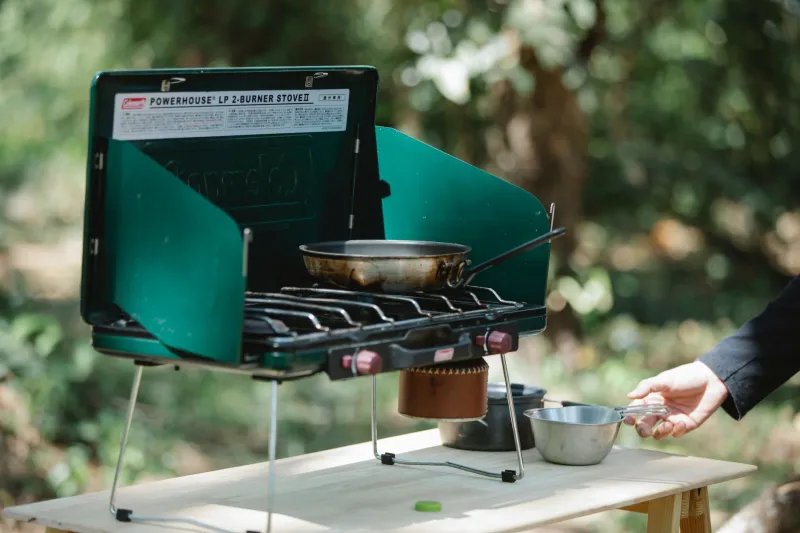
Canister stoves get cranky below freezing — the fuel pressure drops and you're left simmering water for an hour. A liquid-fuel stove (like a classic MSR Whisperlite style) handles cold like a champ, or you can cheat: keep the canister inside your jacket overnight and cook with it tucked in a cozy.
Eat more than you think you need. Your furnace runs hot in the cold, and fatty, calorie-dense food before bed genuinely keeps you warmer. A slow-sipping hot drink at bedtime isn't a luxury — it's tactics.
Where to Go: The Mild-Winter Map
The beauty of below-the-snowline camping is that huge swaths of the US stay perfectly pleasant in January:
- Big Bend, Texas — Desert days in the 60s, cold-but-manageable nights, and some of the darkest skies in the country.
- The Florida Keys and Everglades edge — Florida's dry season is winter. Fewer bugs, lower humidity, ideal everything.
- Southern Utah's low country — Snowcreek-free desert camping around St. George and the Arizona borderlands.
- The Georgia and Carolina coast — Barrier island state parks are peaceful, cool, and gloriously mosquito-free in winter.
- Death Valley, California — Yes, the hottest place in America is a dream campout in January.
Many of these are first-come, first-served in the off-season, meaning you can roll in on a Friday afternoon and still get a spot. Try that in July.
The Safety Rules That Actually Matter
Winter doesn't forgive sloppiness. Before you go:
- Tell someone your plan. Where, when, and when to call for help if you don't check in.
- Watch daylight like a hawk. The sun might be gone by 5 p.m. Plan to be pitched with hours to spare.
- Know hypothermia signs in your crew. The 'umbles' — stumbles, mumbles, fumbles, grumbles — are your early warning.
- Never heat your tent with a fuel-burning stove or heater indoors. Carbon monoxide doesn't care how cold you are.
- Have an exit plan. Know where the nearest cell signal, ranger station, and warm shelter are.
None of this is scary. It's just the same preparation you'd apply to a summer trip, with slightly higher stakes for getting lazy.
The Payoff
Here's what you get for the extra prep: campsites you could have reserved that morning. Trails where you'll pass more deer than people. Night skies undiluted by RV generators. Fees that make you double-check the listing.
Winter, below the snowline, is the easiest solitude in America. The crowds decided the season was over. Let them think that.