The Hum You Can't Escape: A Field Manual for Generator Peace at Public Campgrounds
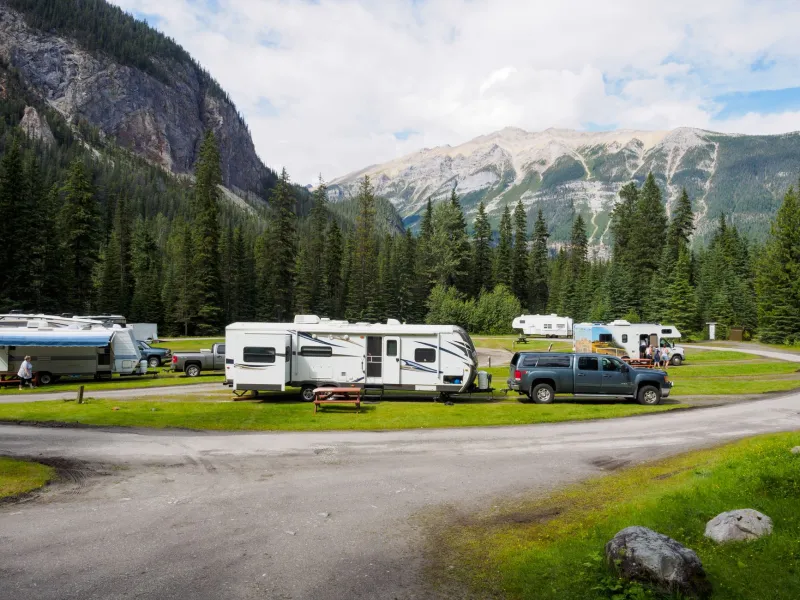
At 9:40 p.m., the campground has finally gone quiet. The dishes are done, the fire is down to coals, and the first real wave of sleep is rolling through the loop. Then a generator coughs to life three sites over and settles into a steady, teeth-rattling hum. It is not loud enough to be an emergency. It is loud enough to ruin the night. Public campgrounds have rules for this. What they don't always have is enforcement. Here's how to handle the generator next door without turning the loop into a feud.
Know the Rule Before You Need It
Quiet hours and generator hours are not the same thing. Many public campgrounds post quiet hours—often 10 p.m. to 6 a.m.—and separate generator hours, often 8 a.m. to 8 p.m. Some tent-only loops ban generators outright. Some allow them but require them to be off during quiet hours. The rules vary by agency: National Park Service, Forest Service, Bureau of Land Management, state parks, and county parks all write their own. Before the trip, check the campground page and take a screenshot. It's easier to be calm and specific when you can point to the actual language, not your memory of it.
The First Move Is a Walk, Not a Fight
When the hum starts after hours, don't storm over. Put on a headlamp, walk the loop, and find the source. Sound bends around RVs, trees, and hills; the site you think is guilty may be innocent. Listen for whether it's a generator, a diesel heater, a loud fridge, or an idling truck. Note the distance and whether the noise is steady or cycling. Then ask yourself: is this a rule violation, an annoyance, or a safety issue? A generator running too close to a tent with exhaust drifting into it is safety. A generator running at 7:55 p.m. when quiet hours start at 8 is not. Treat them differently.
What to Say When You Knock
Pick a reasonable moment—not midnight—and keep it short. 'Hey, I'm two sites down. Quiet hours started at 10, and the generator is carrying. Any chance you can shut it down for the night?' That's the whole script. No lecture, no phone camera, no audience. Most people lose track of time. Some apologize. Some argue. If they argue, don't debate the physics of sound. Say thanks, walk away, and move to the next step. You are not the campground police, and a confrontation at someone's site after dark is a bad trade.
When to Involve the Host or Ranger
If the generator keeps running after quiet hours, or if it's running near tents and you smell exhaust, involve the host. Hosts have varying authority: they can remind, document, and call a ranger. After-hours numbers are usually posted at the entrance or on the reservation board. Call if there's a safety issue or a repeated violation. Be specific: site number, time, what you observed. Don't exaggerate. If no one responds, moving your camp is not surrender. It's sleep.
Moving Is a Valid Strategy
Ask the host about open sites in a generator-free loop or a tent-only area. Earplugs, a fan, and a white-noise app help, but they don't fix a vibrating RV. If you're in a tent and the noise is unbearable, relocate before you're furious. A five-minute drive at 10 p.m. beats a sleepless night and a 2 a.m. argument. If you're the one with the generator, shut it down at the stated hour, point the exhaust away from neighbors, and don't be the reason someone else's kid wakes up at 2 a.m.
Quiet Power for Your Own Camp
Here's the uncomfortable part: the best way to win the generator argument is to not be the generator. A modest solar setup—a 100- to 200-watt panel and a 500- to 1,000-watt-hour battery—will run LED lights, phones, a laptop, and a small fridge if you're careful. Do the math. A 12-volt fridge might draw 40 to 60 watts when cycling and use 20 to 30 amp-hours a day in mild weather. A 1,000-Wh battery covers that with room to spare. Charge during the day, not at quiet hour. Use a suitcase panel and move it with the sun. Skip the idling truck. Skip the open-frame construction generator. If you need air conditioning or medical equipment, be upfront about it and choose a campground with hookups or a generator-friendly loop. That's not a moral failing; it's planning.
The Culture Part
Public campgrounds are shared ground. Quiet hours are a compromise, not a guarantee. The camper with the generator may be a first-timer, a family with a CPAP, or someone who genuinely doesn't know the etiquette. A calm conversation and a posted rule do more than a viral complaint. And if you're the one running the generator, remember that the loop hears everything. Shut it down on time. Build a little goodwill. The next person might be the one who lends you a wrench at noon.