Show Up Early, Sleep Happy: How Walk-Up Campgrounds Actually Work
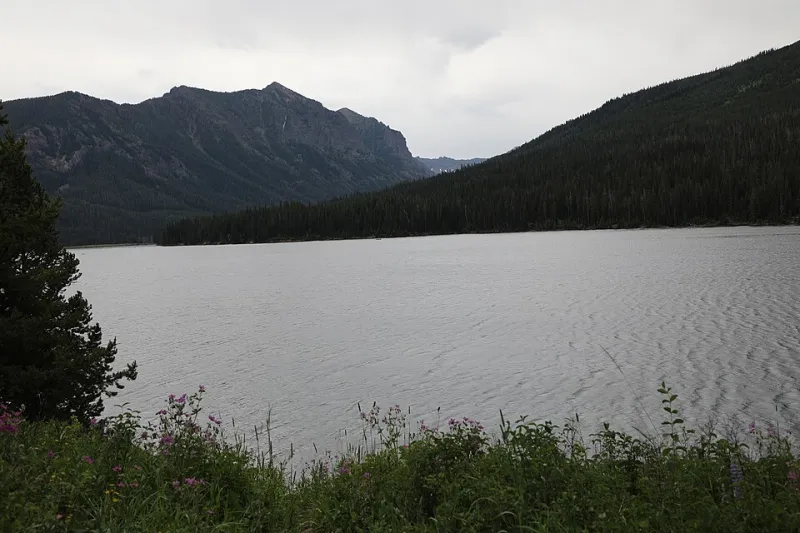
Photo: Forest Service - Northern Region, Public domain, via Wikimedia Commons
There's a special kind of dread that hits around mile 400 of a road trip when the thought lands: we don't actually have a reservation tonight.
For a lot of campers, that dread is enough to book everything six months out. But here's the thing seasoned road-trippers know — America is still full of first-come, first-served campgrounds, and they reward people who understand how the game is played. Not the luckiest people. The prepared ones.
The 3 PM Rule
Most campgrounds run on a checkout time of noon or 1 PM, which means the real churn happens in the early afternoon. A site that's occupied at 11 AM might be empty by 2:30. Arrive too early and you're burning fuel doing loop laps; arrive too late and the weekend crowd from the nearest city has already claimed everything.
That's why the sweet spot for most walk-up campgrounds lands between 2 and 4 PM. You catch the departure wave, scope sites as they empty, and get your claim in before the after-work crowd rolls in at 6.
There are exceptions, and they matter:
- High-demand destinations (think Utah's national forest campgrounds near Moab, or anything within an hour of a major metro) — arrive by 10 AM on weekends, sometimes earlier.
- Remote Forest Service campgrounds midweek — you can roll in at 7 PM and still have your pick.
- Holiday weekends — honestly, all bets are off. Arrive Thursday night or don't play.
How the Queue Really Works
Walk-up campgrounds don't have a formal line, but they do have a system, and it usually involves a physical sign-up board, an iron ranger with an envelope, or a camp host with a clipboard.
Here's what actually happens: when a site's paid period expires, it opens up. Camp hosts keep rough track of who's waiting, especially if you've done the courteous thing and talked to them. A two-minute conversation — "Hey, we're looking for a site tonight, any sense of when something might open up?" — does more than an hour of circling the loop. Hosts remember faces. They'll often flag you down when someone pulls out.
If there's a bulletin board with occupied-site slips, check the expiration dates. A slip marked through tomorrow morning is a dead end; one expiring today at noon is your target.
The Unwritten Laws
Walk-up camping has an etiquette, and violating it gets you the cold shoulder from an entire loop of campers:
First physical claim wins. Setting up camp — tent, chair, cooler — is the claim. Saving sites with a lone water bottle for friends arriving at midnight is a fast way to make enemies (and, at many campgrounds, against the rules).
Don't hover. If someone's breaking camp, give them room. Standing at their picnic table while they pack a tent is awkward for everyone. Wait by the road, be friendly, move in when they've actually pulled out.
Pay immediately. The envelope system only works if everyone feeds it. Fill it out the moment you claim the site, not after dinner.
One pass through, then commit. Endless looping burns gas and makes you look desperate. Do one careful sweep, note your top three open sites, and grab the best one.
Legendary Walk-Up Grounds Worth the Gamble
Some of the best camping in the country still runs on a first-come, first-served basis:
- Bridge Camp, Salmon-Challis National Forest, Idaho — Riverside sites along the Salmon, rarely full outside peak summer weekends.
- Horse Creek Campground, Bridger-Teton National Forest, Wyoming — Teton views for the price of showing up.
- Upper Pines overflow alternatives in Inyo National Forest, California — The Eastern Sierra is laced with FCFS campgrounds along Highway 395 when Yosemite is booked solid.
- Kebler Pass area campgrounds near Crested Butte, Colorado — Dispersed and FCFS sites among the aspens.
- Hurricane River, Pictured Rocks National Lakeshore, Michigan — Lake Superior frontage, walk-up friendly outside July.
State-by-State Timing Notes
Timing shifts with regional rhythms. A few patterns from the road:
- Colorado and Utah: Weekend crowds leave the Front Range and Wasatch Front early; be set up by 10 AM Saturday or come Friday.
- Pacific Northwest: Rain keeps midweek demand low — Tuesday arrivals rarely struggle.
- Northeast (Adirondacks, White Mountains): Fall foliage weekends are the exception to every rule; book those or arrive Thursday.
- Florida: Winter is peak season. Snowbird traffic fills the panhandle by mid-morning.
- Southwest desert: Arrive by 3 PM in winter; the summer heat means you can often get sites at dusk.
When It Doesn't Work Out
Have a plan B before you need one. Every national forest allows dispersed camping on its lands unless posted otherwise — download the MVUM (Motor Vehicle Use Map) offline before you lose signal, and know the distance rules (usually 100–200 feet from water, vehicles within a car length of the road).
A failed walk-up attempt with a dispersed backup isn't a disaster. It's a story. And sometimes the pullout eight miles down a forest road, with no neighbors and a sky full of stars, beats the campground you were chasing anyway.
Gear up, get out — and get there by 3.


